
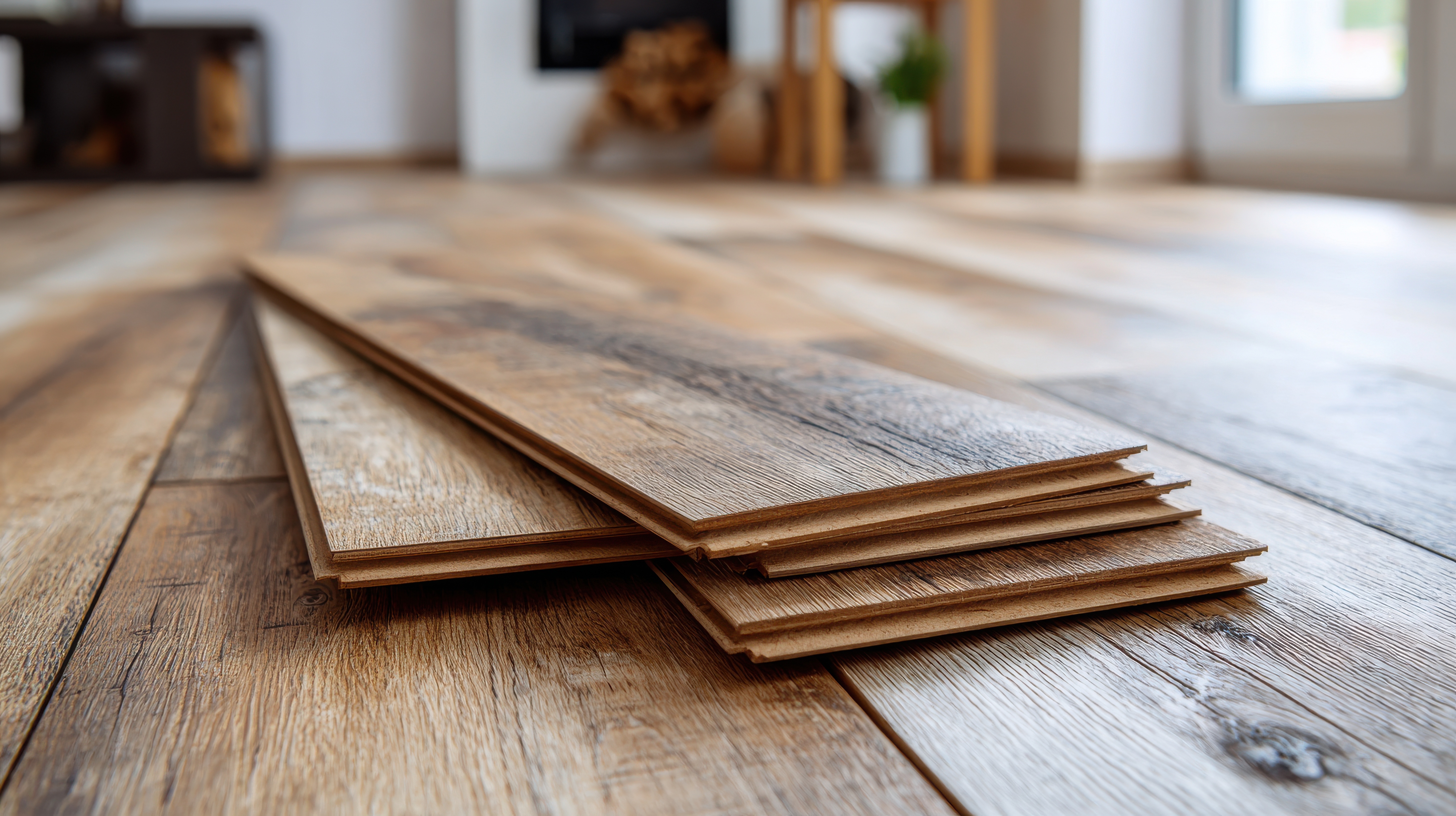
If you’re shopping for laminate in Maine, the “AC rating” can look like the holy grail of durability. AC3, AC4, AC5, done. But kitchens are the stress test that exposes what the AC rating measures and what it doesn’t. At The Kitchen People in Holden, ME, we see it all the time: a floor that’s “high rated” for wear still struggles because the problem wasn’t abrasion, it was moisture management, seam protection, and subfloor prep.
What AC rating actually is (and what it isn’t)
AC stands for “Abrasion Criteria” and comes from European laminate testing standards (often associated with EN 13329). In simple terms, it grades surface wear resistance using a rotating abrasive wheel test. The result is a classification that helps compare how well the top layer resists scuffing and visible wear under foot traffic.
Typical consumer-facing AC levels:
AC1 / AC2: light residential (bedrooms, low traffic)
AC3: general residential, some light commercial
AC4: heavy residential, moderate commercial
AC5: heavy commercial
That sounds perfect, until you realize the AC rating is primarily about surface abrasion. It doesn’t directly certify how well the core handles water, how stable the locking system is under repeated swelling/shrinkage, or whether the bevels and edges will hold up to wet mopping, melting snow, and sink splashes.
Why kitchens punish laminate
Kitchens combine three enemies that don’t show up fully in an abrasion number:
Grit + micro-scratching
Grit acts like sandpaper. It’s not just shoes, it’s chair legs dragging grit, pet nails, and tiny particles from entryways. Higher AC helps resist visible wear, but grit still finds the weak points at edges and seams.Moisture exposure at seams and edges
Most laminate cores are high-density fiberboard (HDF). HDF is strong, but it’s still wood-based. When water sits at a seam, the core can absorb moisture and expand. That expansion often shows up as edge swelling or “peaking” at joints. A floor can be AC4 and still fail here if the edge sealing and joint integrity aren’t kitchen-ready.Heat cycles and cleaning habits
Dishwashers, ranges, and sunlight through windows cause small thermal swings. Add frequent cleaning, and the floor sees repeated exposure to dampness and chemicals. Incorrect cleaners can dull the surface or leave a residue that attracts grit, accelerating wear.
The tests you should care about in addition to AC
If you’re choosing laminate for a kitchen, AC is one checkbox. Ask about these performance points too:
Water resistance / spill protection time: Some products specify a time window for standing water (for example, 24–72 hours under test conditions). This is more relevant than AC for sink and dishwasher zones.
Edge and bevel sealing: Painted or sealed bevels reduce the pathway for moisture. Unsealed bevels can telegraph swelling faster.
Locking system strength: A tight, precise click-lock reduces micro-gaps where water can enter. Not all locks are equal, and installation accuracy matters.
Core density and swell performance: Better HDF cores swell less and recover better. If you can get a spec for thickness swelling, it’s meaningful.
Surface scratch and stain resistance: Some laminates have enhanced coatings; kitchens benefit from stronger stain resistance (think coffee, oils, sauces).
AC rating recommendations by kitchen lifestyle
Low-traffic, careful cleaning: AC3 can work if water exposure is controlled and the product has solid seam performance.
Busy households, kids, pets, frequent entertaining: Aim for AC4 plus strong water-resistance specs and sealed edges.
High-use, open-plan kitchens with lots of chair movement: AC4–AC5 helps, but prioritize joint tightness, bevel sealing, and underlayment strategy.
Installation details that matter more than an AC number
Even the best laminate can underperform if the foundation isn’t right:
Subfloor flatness: Many manufacturers require something like 3/16" over 10' (varies by product). Too much variation creates flex, which stresses locking joints and opens micro-gaps.
Underlayment selection: Underlayment isn’t just for comfort, it affects joint stability and sound. Too soft can allow movement; too thin may not smooth minor imperfections.
Perimeter expansion gaps: Kitchens often have long runs and heavy cabinetry nearby. Laminate needs room to move with seasonal humidity.
Transitions and moisture strategy: Use proper transitions at doorways, and treat dishwasher/sink areas as “splash zones” with smarter habits and mats.
AC rating is useful, but it’s only one slice of the performance pie. Kitchens demand a laminate that resists abrasion, yes, but also manages seam exposure, core stability, and installation realities.
If you’re comparing options, visit The Kitchen People in Holden, ME to review laminate built for real kitchens, not just showroom traffic. We serve Bangor, Ellsworth, Lincoln, Newport, and Camden, ME. Contact us or stop in to get a spec-based recommendation matched to your kitchen layout, lifestyle, and subfloor conditions.


