
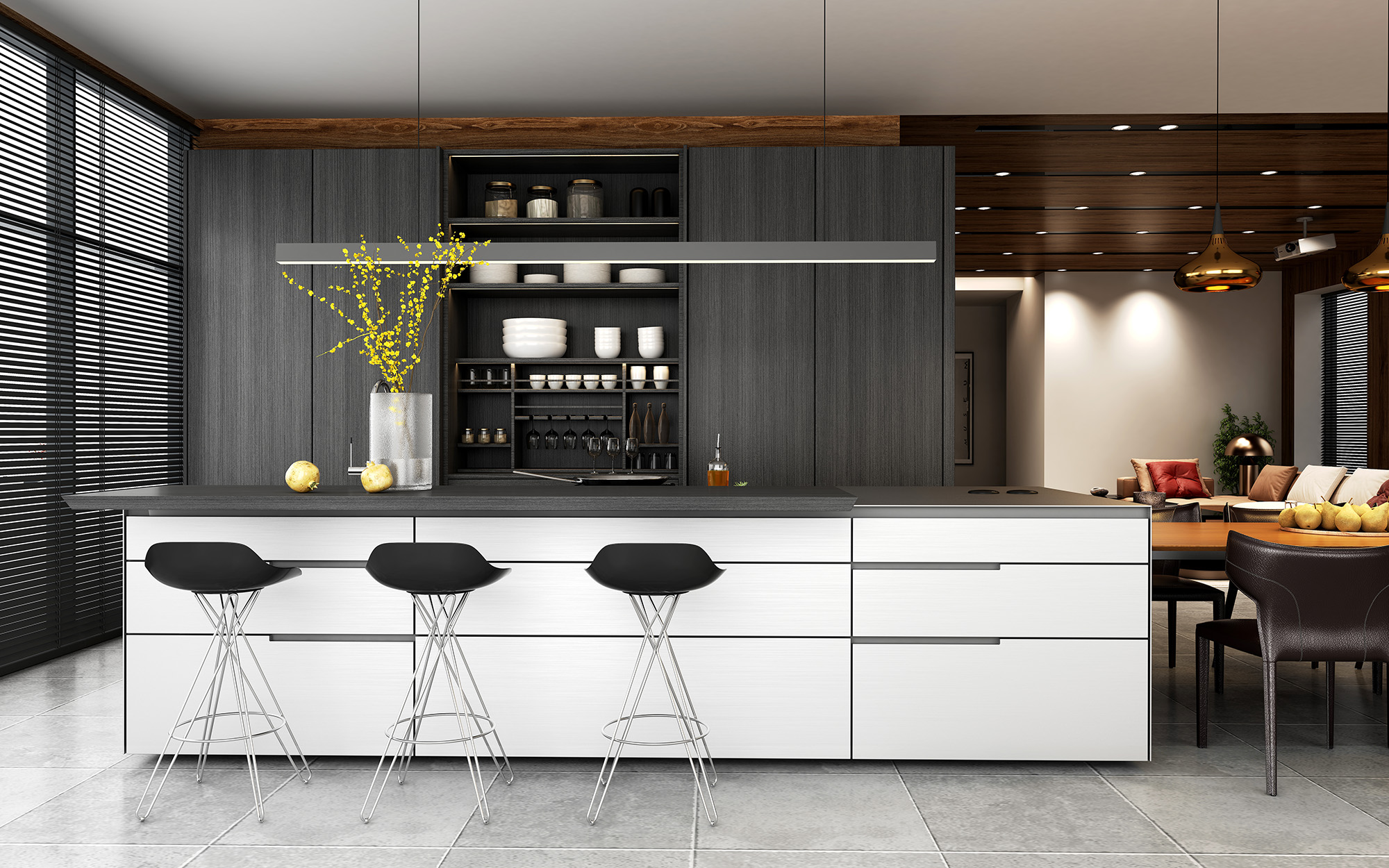
Walk into The Kitchen People showroom in Holden, ME, and you’ll notice something subtle but unmistakable:
the most high-end displays don’t rely solely on materials… they rely on shadows.
Welcome to the world of shadow architecture—the strategic use of contrast, light falloff, silhouette, and negative space to make small rooms look bigger, richer, and more intentional. And nowhere is this design movement taking hold faster than Camden and Maine’s coastal communities, where older homes often come with charming, compact rooms that need visual upgrading without tearing down walls.
This is your practical, no-fluff guide to using shadow architecture the way high-end designers actually do it.
Why Shadows Matter More Than Light in Small Homes
Everyone focuses on lighting.
Almost no one focuses on where the light disappears.”
Shadow architecture embraces:
deep corners
focused task lights
contrast behind open shelving
layered lighting levels
matte surfaces that absorb strategically
Why it works:
Your brain uses contrast to perceive depth.
Where shadows appear intentionally, rooms feel larger.
Done correctly, a 10×10 kitchen can suddenly feel like luxury minimalism instead of Maine-colonial cramped.
The Three Types of Shadows That Create Luxury
1. Architectural Shadows
These appear naturally from:
cabinet overhangs
crown molding
range hoods
floating shelves
recessed toe-kicks
Designers exaggerate these to create “visual pockets” that pull the eye deeper into the room.
Example:
A floating vanity with an LED shadow line underneath makes a 6' bathroom feel like a spa.
2. Task-Driven Shadows
This is where placement beats brightness.
Under-cabinet lights that wash down the backsplash (not the countertop edge) create shadows that add dimensionality behind your workspaces.
The effect:
Your backsplash looks taller, your counters look thicker, and the room gains visual depth.
3. Decorative or Accent Shadows
These are artistically intentional:
backlit shelves
directional spotlights
pendants with sculptural shades
sconce lights with uplighting/downlighting
Camden homeowners love these because they bring coastal warmth into compact, historic floorplans.
Shadow Architecture Works Best With Certain Materials
Here’s what we guide homeowners toward at The Kitchen People:
Matte or satin cabinetry → reduces glare, deepens shadows
Textured wood grains → create micro-shadow patterns
Quartz with movement → plays with light without looking busy
Vertical slatted wood or tile → creates rhythmic shadow lines
Black fixtures/pulls → anchor focal points
On the opposite end, overly glossy materials can flatten everything and “erase the shadows.”
The Lighting Science Behind It
You don’t need expensive lights—just the right strategy.
Use these principles:
• Low-lumen but directional lights make better shadows
• Warm light (2700K–3000K) deepens shadow contrast
• High CRI lighting (90+) keeps materials from looking muddy
• Avoid center-of-room ceiling lights (they erase depth)
One of the biggest mistakes we see in older Maine homes?
A single harsh ceiling light “flooding” the room and killing all architectural character.
Small Room Shadow Tricks Homeowners Can Do Today
Add a single under-cabinet light strip
Use matte black hardware for instant depth
Install a sconce instead of a table lamp
Choose matte paint on walls, satin on trim
Replace overhead lights with multi-source fixtures
Use shelves with recessed puck lighting
Each change creates pockets of contrast that make your room feel intentional—never crowded.
Where Camden Homes Benefit Most
Coastal Maine homes—especially Camden, Rockport, Lincolnville, and Belfast—often share similar challenges:
older architecture
segmented floorplans
low natural lighting
beautiful but compact rooms
Shadow architecture is the rare technique that adapts beautifully to all of these.
The Best Part? Shadows Are Free
Materials cost money.
Demolitions cost money.
Custom cabinetry costs money.
Shadows?
You already have them.
We just help you make them work for you.
Ready to See Shadow Architecture in Action?
Visit The Kitchen People showroom in Holden, ME to explore lighting, finishes, and layouts that bring this technique to life.
Proudly serving Bangor, Ellsworth, Lincoln, Newport, and Camden, ME.
Call us or stop in—we’ll help you transform a small room into a high-end space without moving a single wall.


